
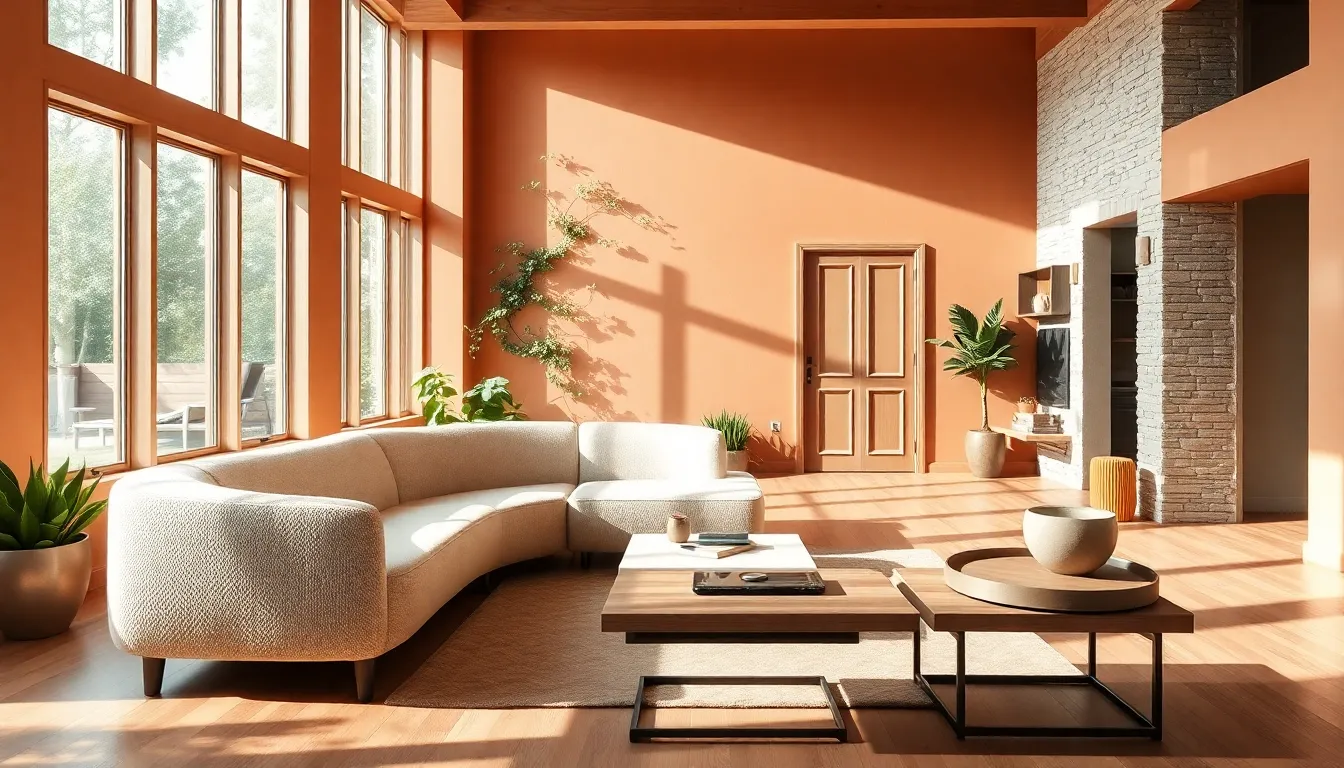
Around the home trends 2026 are shaping up to redefine how people live, work, and relax in their spaces. The coming year brings a clear shift toward sustainable materials, nature-inspired design, and technology that actually makes life easier. Homeowners want spaces that feel intentional, not cluttered, not cold, but warm and functional.
This guide breaks down the biggest around the home trends 2026 has in store. From eco-friendly choices to smart integrations, these predictions reflect what design experts and industry data point toward. Whether planning a full renovation or small updates, understanding these trends helps create spaces that feel current and livable.
Table of Contents
ToggleKey Takeaways
- Around the home trends 2026 prioritize sustainability, with recycled materials, energy-efficient upgrades, and a “buy less, buy better” mindset becoming the new standard.
- Biophilic design reaches new heights through living walls, natural light maximization, organic materials, and nature-inspired color palettes.
- Smart home technology focuses on seamless integration—voice control, energy management, and wireless charging surfaces that simplify daily routines.
- Warm minimalism replaces cold aesthetics, featuring earthy tones like terracotta and sage green paired with textured, curved furniture designs.
- Multifunctional spaces dominate as homeowners create adaptable rooms that serve as offices, gyms, and guest quarters with convertible furniture solutions.
- Outdoor living areas are being treated as extensions of the home with weatherproof furniture and outdoor kitchens expanding usable square footage.
Sustainability Takes Center Stage
Sustainability isn’t a buzzword anymore, it’s a baseline expectation. Around the home trends 2026 show that eco-conscious choices will dominate purchasing decisions and design plans.
Recycled and upcycled materials are gaining ground fast. Furniture made from reclaimed wood, recycled metals, and repurposed textiles will become standard options rather than specialty finds. Manufacturers are responding to consumer demand by producing items with lower carbon footprints and transparent supply chains.
Energy efficiency also plays a major role. Homeowners are investing in better insulation, energy-efficient windows, and appliances that reduce utility bills. Solar panels and home battery systems continue dropping in price, making renewable energy accessible to more households.
The “buy less, buy better” mentality is growing. People are choosing quality pieces meant to last decades instead of disposable furniture that ends up in landfills. This shift affects everything from kitchen cabinets to bedroom sets. Heirloom-quality items are back in style.
Water conservation features are showing up in bathrooms and kitchens too. Low-flow fixtures, greywater recycling systems, and drought-resistant landscaping reflect a broader commitment to responsible resource use.
The Rise of Biophilic Design
Biophilic design connects indoor spaces with the natural world. This trend has been building for years, and around the home trends 2026 show it reaching new heights.
Indoor plants remain popular, but the approach is getting more sophisticated. Living walls, moss panels, and integrated planters built into furniture blur the line between indoors and outdoors. Homeowners want greenery that feels intentional, not like an afterthought.
Natural light takes priority in floor plans and renovations. Larger windows, skylights, and glass doors maximize sunlight exposure. Studies link natural light to improved mood and productivity, so this focus makes practical sense.
Organic materials dominate surfaces and finishes. Stone countertops, wood flooring, bamboo accents, and linen textiles create spaces that feel grounded. Synthetic materials aren’t disappearing, but they’re taking a back seat.
Water features are making a comeback inside homes. Small fountains, indoor ponds, and even aquarium walls add movement and sound that create calming environments. These elements bring sensory richness that screens and synthetic materials can’t replicate.
Nature-inspired color schemes support this direction too. Greens, browns, soft blues, and earthy neutrals replace the stark whites and grays that dominated previous years.
Smart Home Technology Integration
Smart home technology keeps advancing, but around the home trends 2026 emphasize seamless integration over flashy gadgets. People want tech that disappears into daily life.
Voice-controlled systems are becoming standard. Lighting, climate control, security, and entertainment respond to simple commands. The goal is reducing friction, fewer apps, fewer remotes, fewer steps to accomplish basic tasks.
Energy management systems are getting smarter. These systems learn household patterns and optimize heating, cooling, and electricity use automatically. They identify waste and suggest improvements. Some insurance companies now offer discounts for homes with advanced monitoring.
Security features have evolved beyond basic cameras. Facial recognition, package detection, and AI-powered threat assessment provide peace of mind without constant monitoring. Integration with local emergency services is becoming more common.
Wireless charging surfaces are appearing in furniture designs. Nightstands, desks, and kitchen counters with built-in charging eliminate cable clutter. This feature appeals to homeowners tired of searching for outlets and managing cords.
Privacy concerns are shaping how people adopt these technologies. Around the home trends 2026 show growing interest in local processing over cloud-based systems. Homeowners want convenience without sacrificing data security.
Warm Minimalism and Earthy Color Palettes
Cold, sterile minimalism is out. Around the home trends 2026 embrace warm minimalism, spaces that feel simple but inviting.
Earthy color palettes lead this shift. Terracotta, ochre, sage green, warm taupes, and clay tones create depth without visual noise. These colors work well across different rooms and blend naturally with wood and stone materials.
Texture plays a crucial role. Smooth surfaces give way to tactile variety, woven textiles, nubby fabrics, rough-hewn wood, and handmade ceramics. These elements add visual interest without adding clutter.
Furniture designs favor curves over sharp angles. Rounded sofas, arched doorways, and organic shapes soften spaces and create flow. This aesthetic feels approachable and comfortable.
Clutter-free living remains important, but storage solutions are getting more creative. Built-in cabinets, hidden compartments, and furniture with concealed storage keep possessions organized without sacrificing style.
Artwork and decor focus on quality over quantity. One statement piece beats a wall full of small items. This curated approach reflects thoughtful choices rather than accumulation.
Multifunctional Spaces for Modern Living
Hybrid work arrangements changed how people use their homes. Around the home trends 2026 respond with spaces that serve multiple purposes without feeling cramped or chaotic.
Home offices need better separation from living areas. Pocket doors, room dividers, and acoustic panels create boundaries that support focus. Dedicated work zones, even small ones, outperform laptop-on-the-couch setups.
Guest rooms are pulling double duty as fitness spaces, hobby rooms, and meditation retreats. Murphy beds and convertible furniture make this possible without permanent compromise. One room serves three or four functions depending on the day.
Kitchens continue expanding their role as social hubs. Open layouts connect cooking, dining, and entertaining. Kitchen islands with seating accommodate everything from assignments sessions to dinner parties.
Outdoor spaces are getting the indoor treatment. Covered patios, weatherproof furniture, and outdoor kitchens extend usable square footage. These areas function as extra rooms during favorable weather.
Flexibility is the common thread. Around the home trends 2026 favor adaptable designs that grow and change with household needs. Fixed-purpose rooms feel limiting compared to spaces that can transform.


