
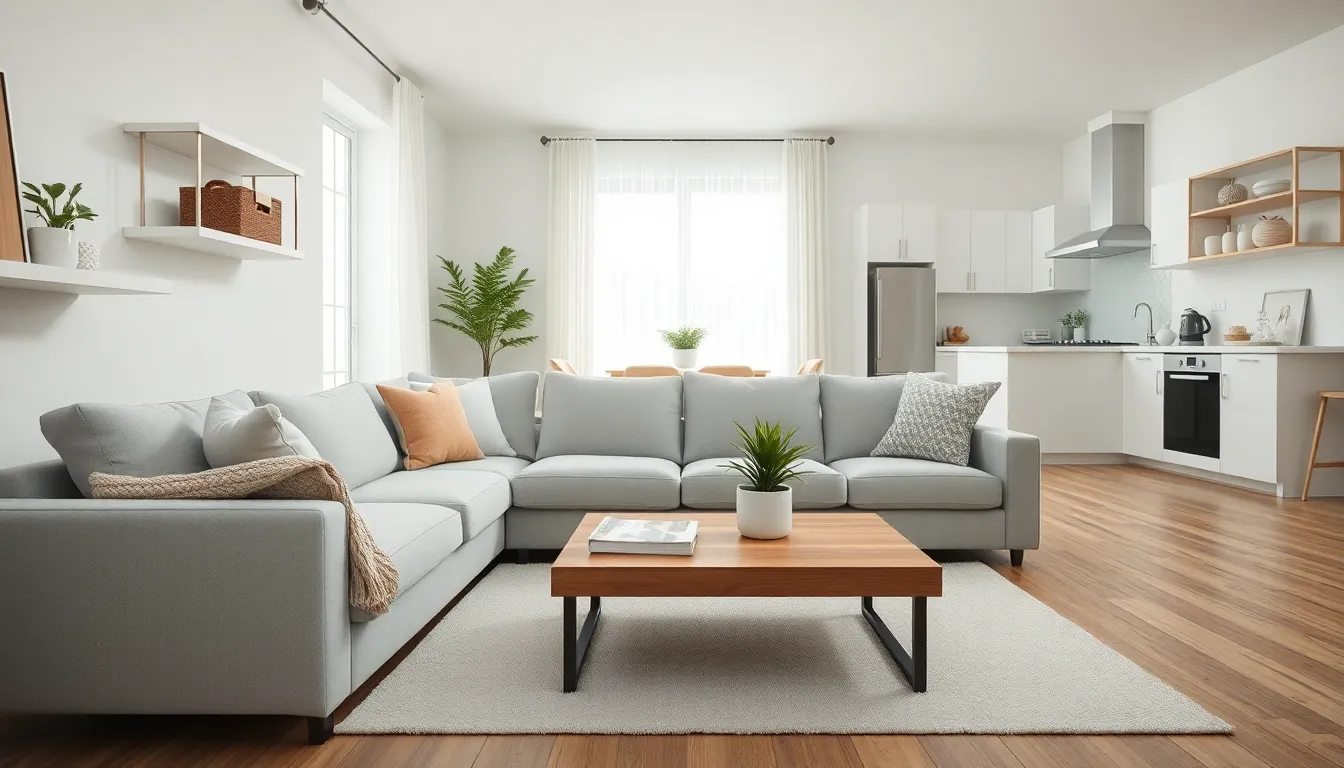
Around the home tips can transform any living space from chaotic to calm. Small changes often make the biggest difference. A cluttered kitchen counter, a dusty ceiling fan, or a drafty window, these everyday annoyances add up. They drain energy, waste money, and chip away at comfort.
The good news? Most home improvements don’t require a contractor or a weekend project. They take minutes, cost little, and deliver real results. This guide covers practical strategies for decluttering, cleaning, saving energy, handling maintenance, and creating a home that actually works for daily life. Each tip is something homeowners can do today.
Table of Contents
ToggleKey Takeaways
- Simple around the home tips like decluttering one drawer at a time can create visible results in under 15 minutes.
- Use the one-in-one-out rule to prevent clutter accumulation before it starts.
- Quick cleaning hacks—like microwaving lemon water to loosen grime—save hours of weekend scrubbing.
- Sealing air leaks and switching to LED bulbs are easy around the home tips that lower utility bills fast.
- Monthly HVAC filter changes and biannual dryer vent cleanings prevent costly repairs and improve safety.
- Create dedicated zones for keys, mail, and devices to reduce daily friction and keep your home functional.
Decluttering and Organization Strategies
Clutter accumulates faster than most people realize. A stack of mail here, a pile of shoes there, suddenly, every surface holds something. The first around the home tip worth knowing is this: start small.
Pick one drawer. Empty it completely. Sort items into three categories: keep, donate, and trash. This method works because it delivers a visible win in under 15 minutes. That momentum carries forward.
The One-In-One-Out Rule
Every new item that enters the home means one old item leaves. Buy a new sweater? Donate an old one. This rule prevents accumulation before it starts. It forces intentional choices about what deserves space.
Use Vertical Space
Floor space is limited. Wall space usually isn’t. Floating shelves, pegboards, and over-door organizers multiply storage without adding furniture. In closets, double hanging rods instantly double capacity for shirts and jackets.
Label Everything
Labels remove guesswork. Bins, baskets, and boxes work better when everyone in the household knows what goes where. Clear containers show contents at a glance. This simple around the home tip saves time during both cleanup and retrieval.
Organization isn’t about perfection. It’s about creating systems that match how people actually live.
Quick Cleaning Hacks for Every Room
Cleaning doesn’t have to consume entire weekends. The right techniques cut time dramatically while improving results.
Kitchen Speed Cleaning
Microwave a bowl of water with lemon slices for three minutes. The steam loosens stuck-on food and grease. Wipe the interior clean in seconds. For stainless steel appliances, a dab of olive oil on a microfiber cloth removes fingerprints and adds shine.
Bathroom Shortcuts
Keep a squeegee in the shower. A quick swipe after each use prevents water spots and soap scum buildup. This 30-second habit eliminates heavy scrubbing later. For toilet bowls, drop in a denture-cleaning tablet overnight. It fizzes away stains without effort.
Living Room Refresh
Lint rollers work on more than clothes. They pick up dust, pet hair, and crumbs from lampshades, upholstery, and fabric headboards. A pillowcase slipped over ceiling fan blades traps dust inside instead of scattering it across the room.
Bedroom Quick Wins
Make the bed immediately after waking. This single around the home tip makes the entire room look cleaner. Toss pillows and throws into the dryer for 10 minutes on low heat to freshen them between washes.
These cleaning hacks work because they fit into daily routines rather than demanding separate cleaning sessions.
Energy-Saving Tips to Lower Utility Bills
Energy costs keep rising. Smart around the home tips can lower monthly bills without sacrificing comfort.
Seal Air Leaks
Drafty windows and doors waste heating and cooling. Weatherstripping costs a few dollars and installs in minutes. For larger gaps around pipes and wires, spray foam provides a permanent seal. These fixes often pay for themselves within one billing cycle.
Adjust the Water Heater
Most water heaters come preset to 140°F. Lowering the temperature to 120°F saves energy and reduces scalding risk. The difference in shower comfort? Barely noticeable. The difference on the bill? Significant.
Use Power Strips Strategically
Electronics draw power even when turned off. This phantom load adds up across TVs, gaming consoles, chargers, and kitchen appliances. Smart power strips cut power completely when devices enter standby mode. One strip per entertainment center can save $100 annually.
Switch to LED Bulbs
LED bulbs use 75% less energy than incandescent bulbs and last 25 times longer. The upfront cost has dropped dramatically. Replacing the five most-used bulbs in a home saves about $75 per year.
Run Appliances During Off-Peak Hours
Many utility companies charge less during nighttime hours. Running dishwashers, washing machines, and dryers after 9 PM reduces costs. Some smart appliances can be programmed to start automatically during these windows.
Easy Home Maintenance Tasks to Stay Ahead
Small maintenance tasks prevent expensive repairs. These around the home tips keep systems running smoothly.
Change HVAC Filters Monthly
Dirty filters force heating and cooling systems to work harder. They also circulate dust and allergens throughout the home. Fresh filters improve air quality and extend equipment life. Set a recurring phone reminder to stay consistent.
Clean Dryer Vents Twice a Year
Lint buildup in dryer vents causes thousands of house fires annually. It also makes dryers work harder and longer. Disconnect the vent hose and clear it with a long brush or vacuum attachment. Check the exterior vent flap for obstructions too.
Test Smoke and Carbon Monoxide Detectors
Press the test button on each detector monthly. Replace batteries annually, even if they still work. Detectors themselves should be replaced every 10 years. Mark installation dates on the back with a permanent marker.
Flush the Water Heater
Sediment collects at the bottom of water heater tanks. This buildup reduces efficiency and shortens lifespan. Draining a few gallons from the tank valve twice a year removes sediment before it causes problems.
Inspect Caulking and Grout
Cracked caulk around tubs, showers, and sinks lets water seep behind walls. This leads to mold and structural damage. Removing old caulk and applying fresh sealant takes less than an hour and prevents costly repairs.
Consistent maintenance beats emergency repairs every time.
Creating a More Comfortable and Functional Home
Comfort matters. A home should support daily life, not complicate it. These around the home tips improve how spaces feel and function.
Optimize Lighting Layers
Single overhead lights create harsh, flat illumination. Adding table lamps, floor lamps, and under-cabinet lights creates warmth and depth. Dimmer switches allow adjustment for different activities and times of day.
Rearrange Furniture for Flow
Furniture placement affects how a room feels. Pulling sofas away from walls creates conversation areas. Leaving clear pathways makes spaces feel larger. Sometimes the best around the home tip is simply moving things around until they click.
Add Soft Textures
Rugs, throw blankets, and curtains absorb sound and add warmth. Hard surfaces echo and feel cold. Layering soft elements transforms a room without painting or renovation.
Control Bedroom Temperature
Sleep quality improves in cooler rooms. The ideal sleeping temperature falls between 60-67°F. A ceiling fan, breathable bedding, or a programmable thermostat makes this easy to achieve.
Create Dedicated Zones
Every activity needs a place. A hook by the door for keys. A basket for incoming mail. A charging station for devices. When items have designated homes, they stop wandering. This simple principle reduces daily friction and keeps spaces functional.


